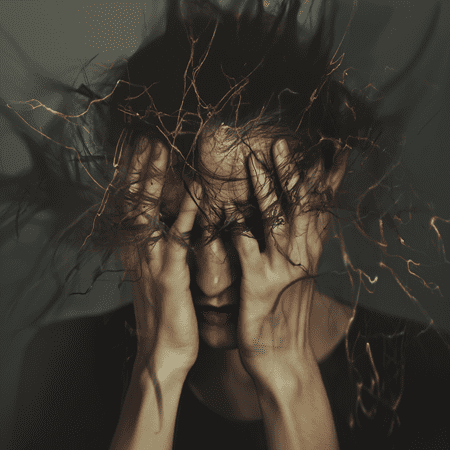
Identifying the Symptoms of Unexplained Anxiety
Anxiety, even without a clear reason, can manifest itself through a series of physical and emotional symptoms that significantly alter a person’s daily life. Here are the most common ones:
-
Physical Symptoms:
- Palpitations: One of the most common symptoms of anxiety is the sensation of a heart beating too hard or fast, which can be alarming and disconcerting.
- Sweating: Anxiety can also cause an unexpected increase in sweating, which is often felt for no apparent reason, especially in social situations or when the person is at rest.
-
Emotional Symptoms:
- Irritability: People with anxiety may find themselves unusually irritable or moody, even in situations that would not normally provoke such a response.
- Feeling of Imminent Danger: A hallmark of anxiety is the constant feeling that something bad is going to happen, which keeps the person in a state of continuous alertness and tension.
These symptoms are not only indicative of the presence of anxiety, but can also be exacerbated by the lack of a clear cause, making them difficult to manage and understand. Identifying them correctly is a crucial step towards seeking help and getting appropriate treatment.
Handling Anxiety for No Apparent Reason
Dealing with anxiety without a clear trigger can be challenging, but there are a number of strategies and treatments that have proven to be effective in managing this condition. From psychological therapies to self-help techniques, we’ll explore how each approach can help you return to a state of calm and control.
Strengthening the Mind: Effective Psychological Therapies
Cognitive Behavioral Therapy (CBT) is a powerful tool in the treatment of anxiety. This therapy focuses on identifying and changing negative patterns of thinking and behavior that fuel anxiety, teaching practical skills to cope more effectively with stressful situations. In parallel, Acceptance and Commitment Therapy (ACT) promotes living in accordance with personal values, accepting difficult thoughts and feelings without judgment. This therapy helps people commit to actions that enrich their lives, despite anxiety.
Pharmacological Support: Medication As A Complementary Tool
Psychological intervention is often complemented by pharmacological support. Antidepressants may be prescribed to regulate neurotransmitters in the brain, while anxiolytics provide rapid relief of anxiety symptoms. It is crucial that any medication be supervised by a healthcare professional to ensure its efficacy and safety.
Personal Empowerment: Self-Help Techniques
For those interested in methods that can be practiced in their own time and space, mindfulness and meditation are exceptional techniques that promote mindfulness and inner peace. These practices teach you to focus on the present moment and decrease excessive worry. In addition, regular physical exercise not only improves physical health, but also has beneficial effects on mental health. Activities such as running, swimming or even brisk walking can release endorphins that naturally decrease anxiety.