
Who was Carl Jung?
You may be interested in
For search engine users only
Carl Jung's main theories and concepts
Carl Jung: The Swiss psychologist's legacy in psychology today.
Carl Jung was a prominent Swiss psychologist known for his work in depth psychology. He studied medicine at the University of Basel and specialized in psychiatry. He developed theories on the unconscious, precognition and parapsychology. He worked with Sigmund Freud and explored different cultures during his travels. Although he had an ambiguous relationship with the Nazi regime, he did not support its ideas. His legacy has been fundamental in psychology and has influenced culture. In addition, his theories of personality are widely used and debated today.

Carl Jung's main theories and concepts
Carl Jung was a Swiss psychologist noted for his work in the field of depth psychology. Throughout his career, he developed several theories and concepts that have widely influenced the understanding of the human mind.
The collective unconscious and archetypes
What is the Collective Unconscious?
The collective unconscious, according to Jung, is a deep layer of the psyche that contains experiences and images shared by all humanity. Unlike the personal unconscious, which is formed from our own experiences and learning, the collective unconscious is composed of universal elements that transcend cultural and temporal barriers.
Archetypes: The Inhabitants of the Collective Unconscious.
The essential components of the collective unconscious are the archetypes. These are universal symbols and patterns that manifest themselves in myths, legends, dreams and human behaviors. Some of the best known archetypes are the hero, the mother, the sage and the divine child, among others. These symbolic figures emerge in different cultures and times, reflecting a common psychological heritage.
Why is the Collective Unconscious important?
- Universal Connection: The concept reminds us that, despite our cultural and personal differences, we share a common essence that unites us as human beings.
- Understanding Dreams and Myths: By recognizing the symbols and patterns of the collective unconscious, we can decipher the meaning of our dreams and understand myths and legends from a deeper perspective.
- Guide to Self-Knowledge: In exploring the collective unconscious, we also encounter aspects of ourselves that may have been ignored or repressed. It is a gateway to self-reflection and personal growth.
How can I apply the collective unconscious in my daily life and what would be its effects?
- Spend time introspection. Ask yourself about the parts of yourself that you tend to ignore or reject. These are the areas that Jung called "the shadow".
- By recognizing and accepting your shadow, you reduce inner conflict and increase your self-awareness, leading to greater personal integrity.
- Reflect on recurring patterns in your life or symbolic figures that appear in your dreams. These may indicate which archetypes are active in your psyche.
- Recognizing your dominant archetypes helps you understand your motivations and behaviors, guiding you in decisions and relationships.
The collective unconscious, according to Carl Jung, is proof that we are all part of a larger fabric of shared experience and wisdom. By immersing ourselves in this symbolic ocean, we not only better understand humanity as a whole, but also find ourselves in its reflection.

The individuation process
Individuation, in simple terms, is the process by which an individual becomes who he or she really is. It is a journey of self-discovery that seeks the integration of the different parts of our psyche, achieving a balance between the conscious and unconscious self.
Stages of the Individuation Process
- Confronting the Shadow: The shadow represents the parts of ourselves that we reject or are unaware of. Recognizing and facing our shadow is the first step in the individuation process.
- Encounter with the Anima/Animus: These are archetypes that represent the feminine in men (Anima) and the masculine in women (Animus). Integrating these opposing energies helps us to achieve inner balance.
- Connection with the Self: Also known as "Self" in English, the Self is the central archetype representing the totality of the psyche. It is the culmination of the individuation process and symbolizes the union of opposites and the realization of human potential.
Benefits of Individuation
- Personal Growth: Through individuation, we become more aware of ourselves, which allows us to live more authentically and in alignment with our true nature.
- Healthier Relationships: By understanding ourselves better, we can also relate in healthier and more meaningful ways with others.
- Deep Sense of Purpose: By connecting with our essence, we discover a deeper purpose and meaning in our lives.
The Individuation Process, according to Carl Jung, is essentially an inward journey, a deep exploration of what it means to be human. By embarking on this journey, we not only find greater peace and balance, but we also discover the purpose and meaning we so desperately seek in life.
How can I apply the individuation process in my daily life and what would be its effects?
1. Recognizing the Shadow
- The "shadow" refers to parts of ourselves that we repress or deny. Reflect on your emotional reactions, especially those that you consider "irrational" or that surprise you. These reactions are often manifestations of your shadow.
- By facing and accepting your shadow, you reduce inner conflicts, increasing your self-awareness and authenticity.
2. Interaction with the Animus and Animus
- The anima (in men) and animus (in women) represent the feminine and masculine aspects of the psyche, respectively. Observe how these aspects manifest in your dreams, fantasies and daily behaviors.
- Recognizing and balancing these aspects allows you to have more harmonious relationships and a greater understanding of your identity.
3. Encounter with the Self
- The "Self" represents wholeness and the center of the psyche. Spend time in meditation, self-analysis and dream interpretation to connect with this essence.
- This connection brings you a sense of purpose, direction and a deeper understanding of your place in the world.
4. Living Synchronicity
- Watch for significant events or coincidences in your life. These "synchronicities" can be signs that guide you in your individuation process.
- Precising these coincidences connects you to the natural rhythm of your life, offering guidance and meaning at crucial moments.
Psychological Types According to Carl Jung: A Window into the Human Soul
In our daily interaction with the world, we all perceive and react differently. Some of us are introspective and reflective, while others are extroverted and action-oriented. These fundamental differences in personality are not accidental or arbitrary; instead, they are part of a larger psychological structure defined by Carl Gustav Jung, the Swiss psychiatrist. His "Psychological Types" offer a unique perspective on how people process information and relate to the external and internal world. Join us as we explore these types and how they influence our daily lives.

Jung's Psychological Types
According to Jung, there are two main dimensions that determine our personality: how we gather information (our functions) and how we orient that information (our attitude).
1.Functions:
- Thinking: Refers to the ability to make decisions based on logic and objectivity.
- Sentiment: This function makes decisions based on subjective values and judgments.
- Sensation: It is based on the immediate and concrete perception of the world through the senses.
- Intuition: It is oriented towards future possibilities and is based on subconscious perceptions or "hunches".
Attitudes:
- Extroversion: This attitude is oriented towards the outside world. Extroverts tend to be sociable, active and outwardly oriented.
- Introversion: It is oriented towards the inner world. Introverts tend to be reflective, reserved and focused on their inner thoughts and feelings.
Application in Everyday Life
Understanding Jung's psychological types can have multiple applications:
- Relationships: Can help to understand and appreciate differences between people, leading to more harmonious and understanding relationships.
- Personal Development: By identifying and understanding our own type, we can work on our strengths and address our areas for improvement.
- Work: Organizations can benefit from placing people in roles that align with their natural psychological types.
Carl Jung's Psychological Types provide a framework for understanding the diversity and complexity of human behavior. By identifying and understanding these types, we can not only know ourselves better, but also improve our interactions and relationships with others.
How can I apply the Psychological Types in my daily life and what would be their effects?
-Make a conscious effort to identify and understand your predominant psychological type, whether it is thinking, feeling, sensing or intuition, and whether you are more introverted or extroverted.
By doing so, you can balance your natural tendencies, improving decision-making and interactions with others.
Synchronicity: Coincidences with Deep Meaning
At unexpected moments in life, we often come across coincidences that seem too significant to be merely random. Have you ever thought of someone and suddenly that person calls you? Or have you repeatedly encountered symbols or numbers at crucial moments? Carl Gustav Jung, the prominent Swiss psychologist, introduced a term for these "meaningful coincidences": Synchronicity. Dive with us into this fascinating concept that challenges the traditional notion of causality.
What is Synchronicity?
Synchronicity, according to Jung, is the occurrence of two or more events that are not causally linked, but have a related meaning to the observer. These events coincide in time and, although they apparently have no direct connection with each other, they possess a deep symbolic or personal resonance.
Characteristics of Synchronicity
- Non-causality: Unlike traditional cause and effect, synchronous events are not directly related by linear causes.
- Meaning: What defines synchronicity is the significance or relevance that events have for the individual.
- Connection with the Unconscious: Jung believed that synchronicity was linked to the world of the unconscious, both personal and collective.
Why is Synchronicity Important?
- Inner-Outer Connection: Synchronous events can be seen as external manifestations of internal processes, creating a bridge between the inner and outer world of the individual.
- Guidance and Orientation: These "meaningful coincidences" can offer direction and clarity in times of confusion or crossroads.
- Deepening Psychological Understanding: Synchronicity can offer a window into the unconscious, revealing hidden or repressed aspects of our psyche.
Synchronicity, according to Carl Jung, invites us to see the world with a broader perspective, recognizing that there are forces and connections that go beyond linear and causal logic. These mysterious coincidences, loaded with meaning, offer us the opportunity to connect more deeply with ourselves and with the universe around us.
How can I apply synchronicity in my daily life and what would be its effects?
- Be aware of "significant coincidences" in your life. These may be signals or messages from the unconscious that guide you or give you insights into a particular situation.
- Appreciating synchronicity connects you with a sense of purpose and aligns you with the natural flow of your life.
Carl Gustav Jung not only transformed the way we understand psychology and human behavior, but his theories also offer a holistic approach to living a purposeful and meaningful life. By delving deeper into his concepts, we not only learn more about ourselves, but about humanity's shared history and culture.
Incorporating Carl Jung's theories into your daily life not only gives you a richer understanding of yourself, but also allows you to navigate through life with greater purpose, clarity and harmony. By applying these principles, you embark on a transformative journey of self-knowledge, self-realization and personal growth.
The importance of dreams and thoughts
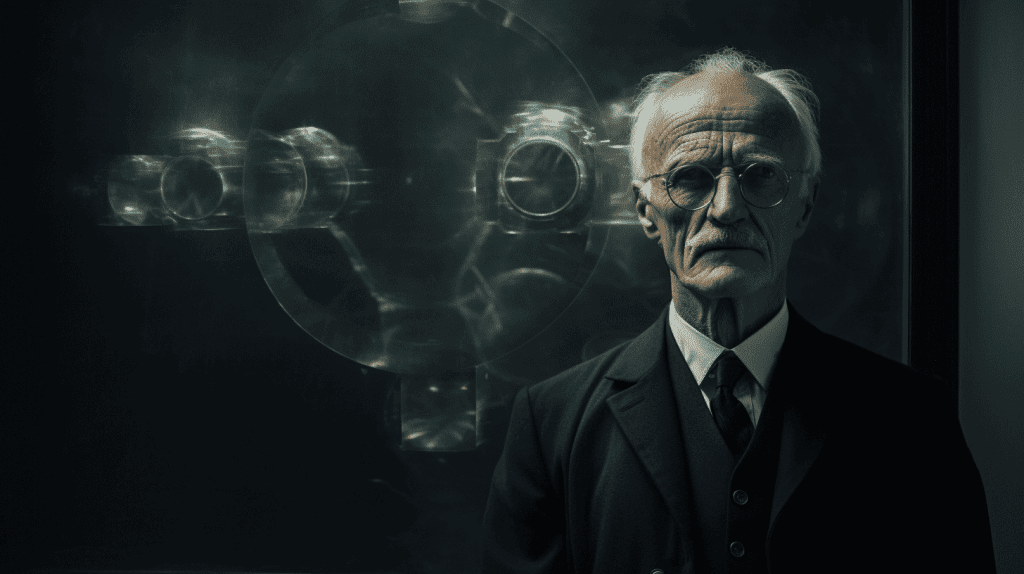
Jung considered dreams and thoughts to be symbolic expressions of the unconscious, containing profound messages and meanings. For him, dreams reflect our desires, fears and inner conflicts, and through their analysis and understanding we can access hidden aspects of our psyche. Likewise, spontaneous thoughts or free associations can reveal unconscious material and help in the therapeutic process.
Carl Jung's influence on psychology and society.
Carl Jung left an important legacy in psychology that endures to this day. His theories and concepts revolutionized the way we understand the human mind and have had a significant impact on society. Below, we will explore Jung's three main contributions in these areas.
His legacy in psychology today
Carl Jung's theories continue to be the subject of study and application in contemporary psychology. His focus on the collective unconscious and archetypes provided a solid basis for understanding universal patterns of human behavior. Likewise, his insight into the importance of dreams and thoughts in understanding oneself has been key in the development of modern psychological therapies.
Impact on the valuation of introverted people.
Jung was a pioneer in recognizing the importance of introversion in personality. In a society that highly values extroversion, his focus on valuing introverted people has been fundamental in promoting acceptance and understanding of those individuals who feel more comfortable with their inner world. Thanks to her research, the perception of introversion as something negative has been changed and its valuable contribution to society has been demonstrated.
Contributions to self-understanding
Jung's theories on the process of individuation have been fundamental to the understanding of identity and personal development. He argued that the ultimate goal of the human being is to achieve wholeness and integration of all its parts, both conscious and unconscious. This view has influenced psychology and has been key in the development of therapeutic approaches that seek self-knowledge and self-realization.
Travels and studies of Carl Jung
Carl Jung had a life full of exploration and search for knowledge. His travels took him to various places around the world, where he studied local cultures and traditions, enriching his understanding of the human mind.
Exploration of local cultures and traditions
During his travels, Jung had the opportunity to immerse himself in different cultures, from indigenous tribes in Africa to native communities in North America. He observed their rituals and beliefs, recognizing the importance of understanding different ways of thinking and perceiving the world.
First subtitle of Tests
In his encounters with local cultures, Jung was particularly interested in mythology and traditional stories. He recognized that archetypes, universal symbols present in dreams and art, were rooted in the collective history of humanity. His investigations of these deep connections between cultures and archetypes enriched his theory of the collective unconscious.
Second subtitle of Tests
Jung also developed a deep respect for local shamans and healers who practiced healing through unconventional methods. He studied their techniques and beliefs related to the spiritual world, thus expanding his own conceptions of psychology and the mind-body connection.
Your experiences in the field of parapsychology
In addition to his study of local cultures, Jung also delved into parapsychology, exploring phenomena such as telepathy and synchronicity. These experiences challenged the conventional beliefs of the science of the time and gave him a broader perspective on the nature of mind and reality.
Parapsychology Subtitle
Jung investigated cases of psychic phenomena and conducted studies in collaboration with other scientists of the time. His findings and reflections on parapsychology contributed to the understanding of the limits of the human mind and the possibility of the existence of a reality beyond the material.
Controversy and relationship with the Nazi regime
Carl Jung is known to have had an ambiguous relationship with the Nazi regime for a certain period of time. This controversy has generated debates and analyses about his political stance and his links to Nazism.
Ambiguity in its relation to Nazism
Some critics point out that Jung maintained an ambiguous stance towards the Nazi regime, showing sympathy for certain aspects of its ideologies. It has been noted that, in his correspondence, he expressed contradictory opinions about the Nazi movement and its leader.
It is important to keep in mind that during the 1930s, Jung was interested in investigating and understanding the phenomenon of the collective unconscious, which led him to value certain elements present in mythology and anti-Germanic traditions, which were also studied by the Nazis.
Despite this, Jung never affiliated with the Nazi party or openly endorsed its ideology. His focus was on psychology and the study of the human mind, and his interest in ancient traditions did not imply political support.
I do not support the ideas of the regime
Although there has been debate about the ambiguity of his relationship with the Nazi regime, there is evidence that Jung did not support the party's ideas and policies.
It has been documented that Jung refused to participate in political activities and stayed away from Nazi associations and organizations. Furthermore, his theories and concepts in psychology, such as the collective unconscious and archetypes, were far removed from the racial and authoritarian views promoted by the regime.
It is important to recognize that the relationship between Jung and Nazism has been the subject of diverse interpretations and that his legacy in psychology is widely recognized beyond these historical controversies.
Famous quotes by Carl Jung
Citation 1
"Everything that irritates us about others can lead us to understand ourselves."
This famous quote by Carl Jung invites us to reflect on our negative reactions to others. It shows us that our judgments and annoyances toward the actions of others can reveal much about ourselves. Instead of blaming others, Jung encourages us to use these irritations as an opportunity to get to know ourselves better and understand the projections of our own psyche.
Citation 2
"We are not what has happened to us, we are what we choose to become."
This powerful quote from Jung reminds us that our past events and circumstances do not define us completely. We are constantly evolving and our current choices and actions are what determine our identity. Jung inspires us to transcend the limitations imposed by our past experiences and to seek our inner potential to become who we wish to be.
Citation 3
"Until you make the unconscious conscious, it will direct your life and you will call it destiny."
In this sentence, Carl Jung invites us to explore the unconscious aspects of our mind. He points out that our actions and patterns of behavior that we do not fully understand are influenced by our unconscious. By making conscious what is hidden in our psyche, we can take control of our lives and stop attributing our destiny to external forces. Jung urges us to immerse ourselves in our own inner world to achieve a higher level of self-awareness and self-determination.
- These famous quotes by Carl Jung offer us valuable insight into the importance of self-reflection and self-knowledge in our lives. They encourage us to explore our own thoughts and emotions to better understand our own actions and reactions. Through these quotes, Jung invites us to take responsibility for our own personal transformation and growth.
News related to Carl Jung
In recent years, there have been a number of new developments and publications related to the life and work of Carl Jung, which have contributed to expanding our knowledge of his legacy in psychology and his impact on society. Below are some of the more prominent articles and books that have been published recently regarding Jung.
Recent articles and publications
- Article: "The relevance of Carl Jung's ideas in the 21st century": This article analyzes the relevance of Jung's theories in the current context, exploring their influence on contemporary psychology and their application in different fields such as psychotherapy, education and personal development.
- Article: "The legacy of Carl Jung in the understanding of dreams": This article delves into the importance that Jung gave to dreams as ways of accessing the unconscious and reviews his approach to dream interpretation, highlighting its relevance in the therapeutic process.
- Article: "The relationship between Carl Jung and Sigmund Freud: A current look": This article examines the initial relationship between Jung and Freud, as well as the reasons for their subsequent rupture. It analyzes the legacies of both psychologists and reflects on the influence of their collaboration and division on the development of psychology.
Recommendations of books about Jung
- Recommended book: "Man and his symbols": This work, written by Carl Jung shortly before his death and in collaboration with other scholars, offers a comprehensive introduction to the theory of archetypes and symbols. It explores the importance of symbolism in the process of individuation and the psychological development of the human being.
- Recommended book: "Memories, Dreams, Thoughts": In this autobiography, Jung narrates his own experience and trajectory in psychology. Through his memoirs, he reflects on his dreams and thoughts, delving into his process of discovery and the fundamental ideas that underpin his theory.
- Recommended book: "The Psychology of Transference": In this work, Jung addresses one of the central concepts in psychoanalytic therapy. He analyzes the relationship between therapist and patient, exploring the transference as a phenomenon that reveals deep aspects of the unconscious and can be used as a therapeutic tool.
These recent publications and books are just one example of the continued relevance and updating of Carl Jung's ideas in the field of psychology. His legacy continues to be the subject of study and discussion, contributing to the enrichment and development of the understanding of the human mind.
The eight personality types according to Carl Jung
Carl Jung developed a theory of the eight personality types, based on his study of the workings of the human mind. According to Jung, each individual has a unique combination of traits that determine his or her personality. These eight personality types are widely used and debated in psychology today.
Description of each personality type
The following is a brief description of each of the eight personality types according to Carl Jung:
- 1. The intuitive introvert: He/she is reflective, reserved and focuses on intuition and imagination.
- 2. The intuitive extrovert: He is enthusiastic, impulsive and stands out for his ability to see possibilities.
- 3. The sensory introvert: He is meticulous, cautious and prefers to focus on details and concrete information.
- 4. The sensory extrovert: He/she is energetic, practical and feels more comfortable in physical and sensory activities.
- 5. The introverted thinker: He is analytical, logical and enjoys reflection and decision making based on reason.
- 6. The extroverted thinker: He is direct, organized and goal-oriented.
- 7. The emotional introvert: Sensitive, empathetic and focused on emotions and interpersonal relationships.
- 8. The emotional extrovert: He is expressive, sociable and stands out for his emotional energy and ability to connect with others.
Discussions on Jung's personality theories
Carl Jung's theories of personality have generated various debates in the field of psychology. Some critics argue that the classification of the eight personality types is too simplistic and does not capture the complexity of human personality. Others argue that this classification provides a useful basis for understanding individual differences and promoting self-development.
In addition, there is debate as to whether people fall entirely within a single personality type or whether there are more complex combinations and variations. These discussions continue today, enriching the understanding of personality and psychology in general.
Final reflections on Carl Jung and his importance in psychology.
Carl Jung has left a significant legacy in the field of psychology, establishing himself as an influential figure that has marked a before and after in this discipline. His revolutionary theories and concepts have been fundamental in understanding the complexity of the human mind and its impact on society.
One of Jung's main ideas is the existence of the collective unconscious and archetypes, universal patterns present in all cultures that influence our behavior. These concepts have allowed a deeper understanding of the human psyche, exploring the different aspects of our individuality and its relationship with the world around us.
Another fundamental concept is the process of individuation, which seeks the integral development of the personality and the search for the totality of the individual. According to Jung, this process involves the integration of the conscious and unconscious aspects of our psyche, allowing for growth and emotional balance.
Jung's emphasis on dreams and thoughts as expressions of the unconscious has been revolutionary in the field of psychology. He recognized the value of dreams as symbolic messages that reveal hidden aspects of our mind and provide clues to understanding our inner conflicts and deepest motivations.
Jung's legacy in psychology today is undeniable. His ideas have influenced the way we understand psychotherapy, analytical psychology and depth psychology. In addition, his focus on valuing introverted people has contributed to breaking down stereotypes and recognizing the importance of different ways of being and relating to the world.
Jung has also been a controversial figure due to his ambiguous relationship with the Nazi regime. Although he did not support the ideas of Nazism, his indirect involvement has been a source of debate and criticism. It is important to keep these aspects in mind in order to understand his historical context and properly evaluate his legacy.
As for Jung's famous phrases, there are several that have permeated psychology and culture in general. One of them is "Know thyself and you will come to know the universe", which highlights the importance of self-exploration and self-knowledge as a basis for understanding the world around us.
Nowadays, we can find news related to Jung in different publications and scientific articles that continue to study and deepen his theories. In addition, there is a wide range of recommended books on Jung that allow us to delve into his work and better understand his impact on psychology.
Finally, it should be noted that the eight personality types proposed by Jung continue to be debated and explored in psychology today. These theories have provided a broad framework for understanding individual differences, although it is recognized that no person falls completely into any one type.
What did you think of the video? Leave us a comment below.
Wake up
Wake up!