You may be interested in
For search engine users only
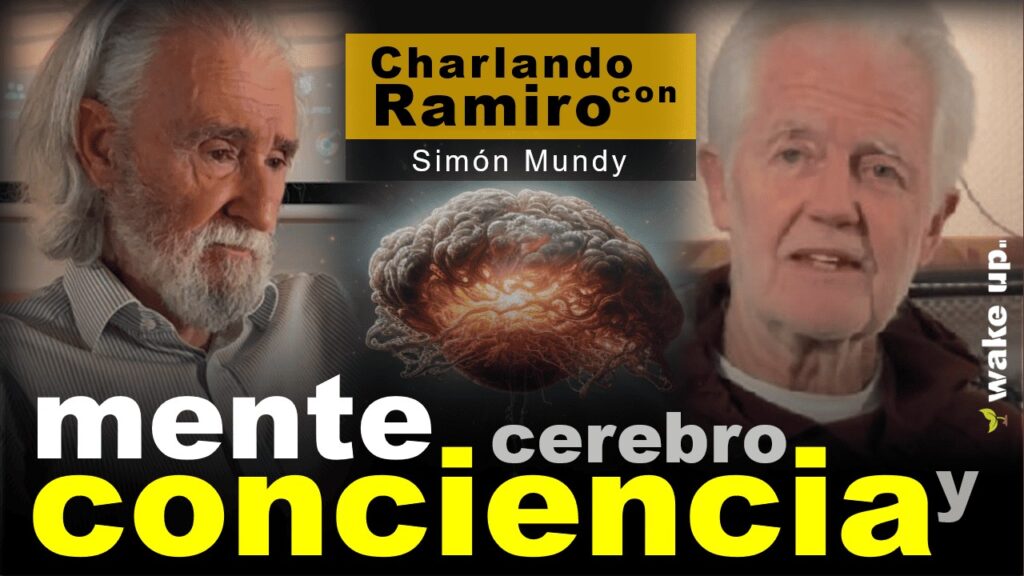
In the fascinating world of spirituality, two renowned masters come together to explore a fundamental theme: suffering. Ramiro Calle, a Yoga expert and writer, sits down for a chat with Simon Mundy, a renowned expert in Buddhism and Yoga, author of the inspiring book "Yoga, Beyond the Thinking Mind". In this revealing dialogue, the two masters unravel the complexities of human suffering, uncovering its causes and, more importantly, how we can transform it into a powerful tool for personal growth.


you can buy Simon Mundy's book here
Understanding Suffering:
Suffering, that universal and often painful experience, is the central theme of this enriching conversation. Calle and Mundy invite us to explore why we suffer and what we can learn from this process. According to Calle, suffering is a signal, a wake-up call from life itself. It is the universe's way of whispering to us that there is something we need to understand or modify in our lives.
The Causes of Suffering:
Mundy, an expert in Buddhism, delves into the causes of suffering from a spiritual perspective. He explains that suffering arises from our own beliefs and attachments, our resistance to change and attachment to the idea that everything should be perfect. As we explore these deep-seated causes, we can begin to free ourselves from suffering and find lasting peace.

Full uncut and unpublicized talk here
The Mind as Creator of Suffering:
Our mind, with its ability to remember the past and anticipate the future, often becomes a source of suffering. How? Through constant rumination about past events, mistakes or future concerns. This cycle of repetitive thinking can lead to anxiety, depression and a generalized sense of malaise.
The Effect of Negative Thought Patterns:
The mind can also trigger suffering through negative thought patterns. Relentless self-criticism, constant comparison with others and the tendency to always see the glass as half empty can erode our self-esteem and emotional well-being.
The Mind and Resistance to Change:
Another way the mind can make us suffer is through its resistance to change. We become attached to the known, even if the known hurts us. This resistance can keep us stuck in unsatisfactory situations, causing continued suffering.
How to Overcome the Suffering Created by the Mind:
The good news is that we are not doomed to suffer indefinitely because of our mind's thought patterns. Here are some effective strategies to overcome this suffering:
- Mindfulness: Practicing mindfulness allows us to observe our thoughts without judgment. This helps us to distance ourselves from negative thoughts and not to fully identify with them.
- Cognitive Restructuring: Learning to identify and challenge negative thought patterns can be transformative. Replacing destructive thoughts with positive affirmations can change the way we experience the world.
- Accepting Change: Accepting that change is a natural part of life allows us to adapt more easily to transitions and overcome the resistance that causes suffering.
- Spiritual Practices: Meditation, yoga and other spiritual practices can help calm the mind, reduce stress and increase emotional resilience.
Ramiro Calle: Suffering as a Conscious Choice
Ramiro Calle, Yoga expert and writer, advocates the idea that suffering can be optional. According to his perspective, suffering arises from resistance to reality as it is. Calle urges us to adopt an attitude of acceptance and understanding towards life and its challenges. He argues that by embracing what life presents us with, rather than resisting it, we can avoid much unnecessary suffering.
Calle emphasizes the importance of self-transcendence and self-transformation as a means to overcome suffering. Through practices such as Yoga and meditation, he suggests that we can train our mind not to cling to negative emotions or destructive thoughts, allowing us to experience greater inner peace.
Ramiro reminds us of the Buddha's saying: "When the Self ends, all problems end".

Simon Mundy: Suffering as part of the Human Condition
Simon Mundy, a renowned expert on Buddhism and Yoga, has a slightly different perspective. From his spiritual approach, Mundy argues that suffering is an inherent part of the human condition. He bases his argument on the Buddhist idea of "dukkha," which is commonly translated as "suffering" or "dissatisfaction." According to this philosophy, suffering is a reality we all face due to the impermanence and dissatisfaction of life.
Simon states that, if we were aware that the suffering of the mind is caused by the mind itself, everything would change. We must realize that suffering is an opportunity to see something that we are not learning about ourselves.
Transforming Suffering:
One of the key insights that emerges from this conversation is that suffering can be an opportunity for growth and transformation. Calle and Mundy urge us to change our perception of suffering, to see it as a teacher rather than an enemy. When we face suffering with courage and understanding, we can discover valuable lessons about ourselves and our path in life.
Acceptance is a transformative force that can free us from suffering. We will see how the practice of conscious acceptance can lead us to a state of well-being and serenity. We will discover how letting go of resisting what we cannot change and learning to embrace reality as it is can be a powerful tool for living a fuller and happier life.
What is Acceptance?
Acceptance does not mean passive resignation in the face of life's difficulties. Rather, it is about recognizing and embracing reality as it is, without judgment or resistance. It is a conscious act of surrender that allows us to let go of control over things that are beyond our influence.
Resistance to Suffering:
Much of our suffering comes from our resistance to circumstances we cannot change. We fight against the inevitable, cling to unrealistic expectations and torment ourselves with thoughts of what should have been. This constant resistance is the root of much of our discomfort.
How Acceptance Frees Us from Suffering:
-
Stress Reduction: Accepting things as they are frees us from the tension that comes with constant struggle. Instead of spending energy on resistance, we can invest it in finding constructive solutions or taking care of ourselves.
-
Inner Peace: Acceptance allows us to find inner peace by letting go of struggle and denial. When we stop fighting against reality, we find a space for calm and serenity in the midst of chaos.
-
Better Self-Relationship: Self-acceptance is a crucial part of this process. Accepting our imperfections and limitations frees us from self-judgment and self-criticism, leading to greater self-esteem and self-worth.
-
Improved Interpersonal Relationships: By practicing acceptance with others, we foster empathy and understanding in our relationships. This can strengthen bonds with friends, family and colleagues.

How to Practice Conscious Acceptance:
- Mindfulness meditation: Meditation can help us develop mindfulness and acceptance of our thoughts and emotions without judgment.
- The Practice of "Letting Go": Identifying the things we cannot change and mentally releasing them is a powerful exercise. Visualize letting go of those thoughts or worries as if they were balloons rising into the sky.
- Gratitude: Practicing gratitude helps us focus on what we have rather than what we lack, fostering acceptance of our current situation.
In this enlightening dialogue between two masters, Ramiro Calle and Simon Mundy, we have explored the roots of human suffering and how we can use it as a catalyst for positive change. By understanding the causes of suffering and adopting a learning attitude, we can transform our lives and find a greater sense of peace and fulfillment. Suffering ultimately shows us that there is always room for growth and evolution in our spiritual journey.
What did you think of the video? Leave us a comment below.
Wake up
Wake up!